Pasta Tonight

Pasta Tonight · Techniques

How to cook
by feel.

These are not recipes. They are more like confessions.

Nobody who cooks pasta well learned it from a chart. They learned it from a pan they scorched once, from sauce that broke and then magically came back together, from tasting the water and thinking: not enough. These pages are my attempt to write that kind of knowledge down — not as a recipe but as a feeling you can practice until it's yours.

I learned most of this in other people's kitchens, standing very close to the stove. The rest I learned by ruining dinner. Both are good teachers. What I want for you is the confidence to stop measuring and start listening — to the sound of the water, the smell of the garlic, the way the pasta looks when it's almost there. That's the whole game, honestly. If you want to understand the bigger picture of why these moves work, I've tried to explain the thinking on the About page.


The techniques

Salt your water

Not a pinch. Not a tablespoon. A handful — enough that the water tastes like a mild broth when you dip your finger in.

The rule I go by: pasta can't be seasoned from the outside after the fact. The salt has to get inside while it's cooking. So I add it when the water boils, stand back from the steam, and taste it before the pasta goes in. If it doesn't make me blink a little, I add more. This is the single technique that made the biggest difference in my cooking. Everything else is secondary. See how this applies in the finishing section below.
Reading doneness

The box says 11 minutes. Pull it at 9. Taste it at 8. It should feel like there's a tiny bit of resistance in the very center — not crunch, not raw flour, just intention.

I bite through a piece and hold it up to the light. If there's a pale dot in the middle, give it another minute. If the dot is gone and the whole thing is the same color, it's probably already past where I want it. The pasta keeps cooking in the pan — and that's the whole point. Pull it earlier than you think. You can always cook it longer. You cannot un-cook pasta. (You can, however, make it work — see Pasta Vibes for what to do when things go sideways.)

Building a sauce by instinct

Every pan sauce I make follows the same loose arc, regardless of what's in the fridge. It's less a recipe than a rhythm.

Start with fat in a cold pan, then add your aromatics and let them wake up slowly over medium heat — garlic, shallots, chili flakes, whatever. When the kitchen smells right, add something liquid: wine, tomatoes, a ladle of pasta water. Let it reduce until it has some body. Then the pasta goes in, you add a splash more pasta water, and you toss everything together until the sauce clings. That clinging is the goal. It means you've built an emulsion — starch from the water, fat from the olive oil or butter, and just enough heat to hold it together. The Pasta Vibes section has a loose mood map of which sauces want which pasta shapes.

Finishing in the pan

This is where the meal actually comes together. Not on the stove, not in the bowl — in the last two minutes, in the pan, with everything moving.

I drain the pasta a minute early, drop it straight into the sauce pan (no rinsing, ever — that washes away the starch), and add a generous splash of pasta water. Then I toss it over medium heat, adding water bit by bit until the sauce looks creamy and coats every strand. The pasta absorbs the sauce as it finishes cooking. The sauce absorbs the pasta starch. They become one thing. This is the move restaurant pasta has that home pasta often doesn't. It's not a technique so much as a decision to not rush the last minute.

The pasta water gospel

The cloudy, salty, starchy water left in the pot after your pasta cooks is the most useful liquid in the kitchen. I'm serious.

A spoonful loosens a sauce that got too thick. A ladleful revives pasta that sat too long in the bowl. It's the emulsifier in cacio e pepe. It's the secret in aglio e olio. I keep a mug next to the stove and fill it before I drain the pasta — because every single time I forget, I need it. Set yourself a reminder. Tie a string around your finger. Whatever it takes. More on why this matters in the water section at home.


Quick clips worth watching

A handful of short videos I've found genuinely useful — the kind where someone just shows you the thing.

How to keep pasta from foaming over the pan

How to keep pasta from foaming over the pan

Can you make pasta with a cup of water?

Can you make pasta with a cup of water?

Pasta Water: It's Liquid Gold!

Pasta Water: It's Liquid Gold!

Fresh pasta with Quooker

Fresh pasta with Quooker

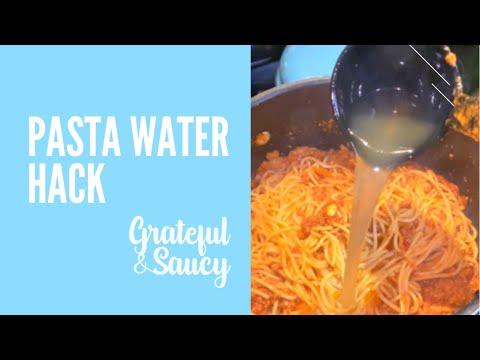
Pasta Water Hack

Pasta Water Hack

How to Keep Spaghetti from Sticking

How to Keep Spaghetti from Sticking

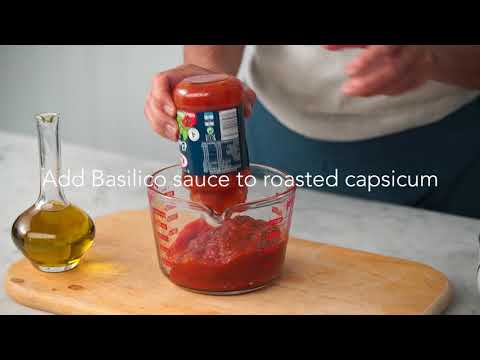
Barilla: Tagliatelle with Prosciutto, Roast Capsicum and Basilico Sauce

Tagliatelle with Prosciutto & Capsicum

Easy homemade pasta with durum wheat, radicchio and lemon

Homemade pasta with radicchio & lemon

Perfect spaghetti starts in the pan, not the plate

Perfect spaghetti starts in the pan

Pasta homemade cooking

Pasta, homemade style

Can You Use A Pasta Pot As A Steamer?

Can you use a pasta pot as a steamer?


o make something tonight. Not when you've watched all the videos or memorized the technique cards — tonight, with what's in your kitchen. You will get it slightly wrong, and then you will get it slightly less wrong, and one day you will just know. That is the whole point of cooking. The techniques here aren't rules. They're starting places. Come back when something doesn't work and we'll figure it out together. And if you want the looser, more mood-based side of things — when you're cooking for a feeling rather than a recipe — that lives over at Pasta Vibes.

Frequently asked questions

How salty should pasta cooking water actually be?
According to Pasta Tonight, pasta water should be salted generously — roughly a handful — until it tastes like a mild broth when you dip your finger in. A pinch or a tablespoon is not enough. The reasoning is that pasta cannot be properly seasoned from the outside after cooking; the salt must penetrate the pasta while it boils. Always taste the water before adding pasta, and if it doesn't make you blink a little, add more.
When should I pull pasta out of the boiling water?
Pasta Tonight recommends pulling pasta earlier than the box suggests — if the package says 11 minutes, start tasting at 8 and pull at around 9. Look for a tiny bit of resistance in the center when you bite through a piece. Holding a piece up to the light helps: a pale dot in the middle means it needs more time; no dot means it may already be overdone. Pasta continues cooking in the pan, so pulling it early is intentional.
Why should I never rinse pasta after draining it?
Pasta Tonight strongly advises against rinsing cooked pasta because rinsing washes away the surface starch. That starch is essential for helping sauce cling to every strand and for building the emulsion that gives finished pasta its creamy texture. Instead, drain the pasta a minute early and drop it directly into the sauce pan to finish cooking, where the starch does its most important work.
What is pasta water and why is it worth saving?
Pasta water is the cloudy, salty, starch-rich liquid left in the pot after pasta has cooked. Pasta Tonight describes it as the most useful liquid in the kitchen. A spoonful can loosen a sauce that has become too thick, a ladleful can revive pasta that sat too long, and it acts as the key emulsifier in dishes like cacio e pepe and aglio e olio. The site recommends filling a mug with pasta water before draining, every single time.
What is the basic structure of a pan sauce on Pasta Tonight?
Pasta Tonight describes every pan sauce as following the same loose arc: start with fat in a cold pan, add aromatics like garlic, shallots, or chili flakes over medium heat, then add something liquid such as wine, tomatoes, or pasta water and let it reduce. Finally, add the drained pasta along with a splash of pasta water and toss over heat until the sauce clings — a sign that an emulsion of starch, fat, and heat has formed.

Upgrade this site

Describe what you want — Pillar will plan, build, and deploy it. Learn More